Why Scindapsus Plants Are Perfect for Indoor Spaces
Scindapsus plants combine striking aesthetics with low-maintenance resilience. Their trailing vines and silver-variegated leaves bring soft texture and visual interest, adding a calm, natural vibe to interiors.
They are especially suited to indoor life - forgiving of irregular watering, tolerant of a range of light conditions, and compact enough for flats, offices or smaller rooms. As cascading or climbing plants, they also help create layered greenery without occupying much floor space.
Scindapsus Care Guide
Prefers bright, indirect light. Avoid harsh direct sun which can scorch its delicate leaves. Lower to moderate light is tolerated - although leaf variegation remains brightest with good indirect light.
Use a well-draining, airy soil mix. Water when the top couple of centimetres of soil begin to dry. Do not let the plant sit in water.
Normal indoor humidity is generally fine; mist occasionally or provide a humidity boost in dry winters to support healthy growth. Stable, moderate indoor temperatures are ideal.
Scindapsus works well in hanging baskets, on shelves, or trailing down from higher surfaces. For climbing varieties, a moss pole or support can encourage fuller growth.
During active growth periods (spring/summer), feed lightly with a balanced indoor plant fertiliser to support new leaf growth and maintain leaf colour.
Trim occasionally to manage vine length, remove any yellowing leaves, and wipe foliage gently to keep leaves clean - this helps them absorb light and stay vibrant.
Frequently Asked Questions - Scindapsus & Satin Pothos Plants
What is a Scindapsus plant?
Scindapsus is a genus of vining or climbing houseplants, often grown indoors for their attractive, sometimes silver-variegated leaves. Satin pothos (Scindapsus pictus) and related species are popular for their textured foliage and cascading growth habit.
Are Scindapsus plants easy to care for?
Yes. They are well-suited to indoor conditions, tolerate moderate light, and are forgiving of occasional watering neglect - making them a good choice for both first-time and experienced plant owners.
Where should I place a Scindapsus in my home?
An area with bright, indirect light works best - near a window but out of harsh direct sun. Hanging baskets, shelves, or high ledges are ideal so their vines can cascade or climb naturally.
How often should I water them?
Water when the top half of soil feels dry to the touch. In most homes, this will be every 1–2 weeks depending on the season, light, and humidity. Always ensure good drainage.
Do Scindapsus plants need high humidity?
Not strictly - average indoor humidity is usually fine. However, a slight humidity boost or occasional misting helps promote healthy, vibrant leaves, especially in dry air or during winter.
Can Scindapsus be grown in low light?
Yes, they tolerate lower light conditions, though growth will be slower and variegation may be less pronounced. For best results and leaf colour, aim for bright, indirect light.
Are they good for small spaces or flats?
Absolutely. Their trailing or climbing habit means they don’t take up floor space. They suit shelves, hanging baskets, window sills, or wall-mounted plant systems - perfect for smaller homes or rooms.
How do I encourage fuller, bushier growth or more vines?
Provide adequate indirect light, water correctly, and prune occasionally to encourage branching. Climbing Scindapsus benefit from support like a moss pole or trellis.
Our Promise
Every Scindapsus plant in our collection is chosen for healthy foliage, strong growth habits and indoor suitability. Each is potted and prepared in our Brighton studio for safe delivery across the UK. Whether you’re starting a plant collection or adding a soft, silver accent to your greenery, our satin pothos and scindapsus plants deliver effortless beauty and easy care.


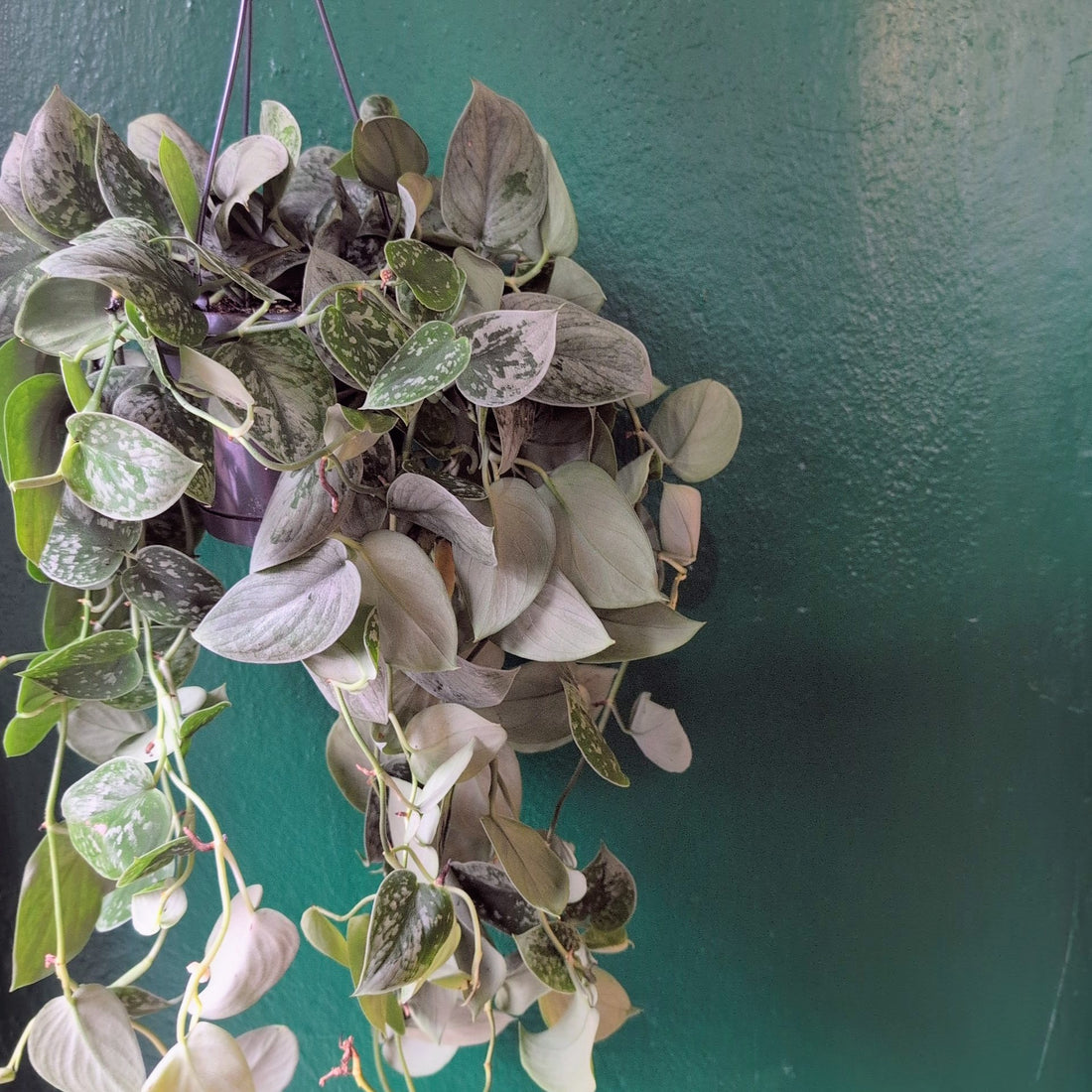 Scindapsus pictus 'Silvery Ann' (Satin Pothos)
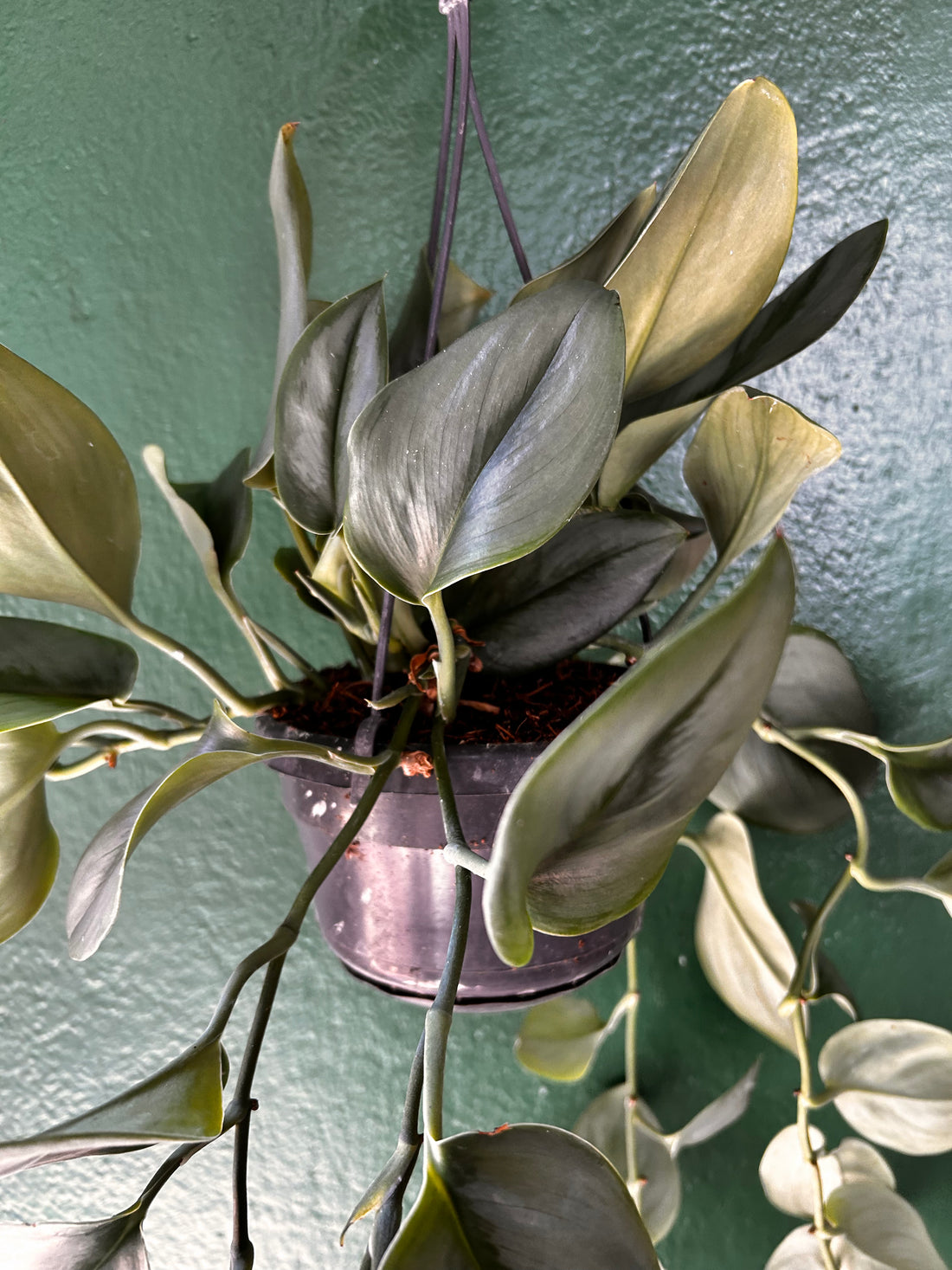 Scindapsus Treubii 'Moonlight' (Satin Pothos)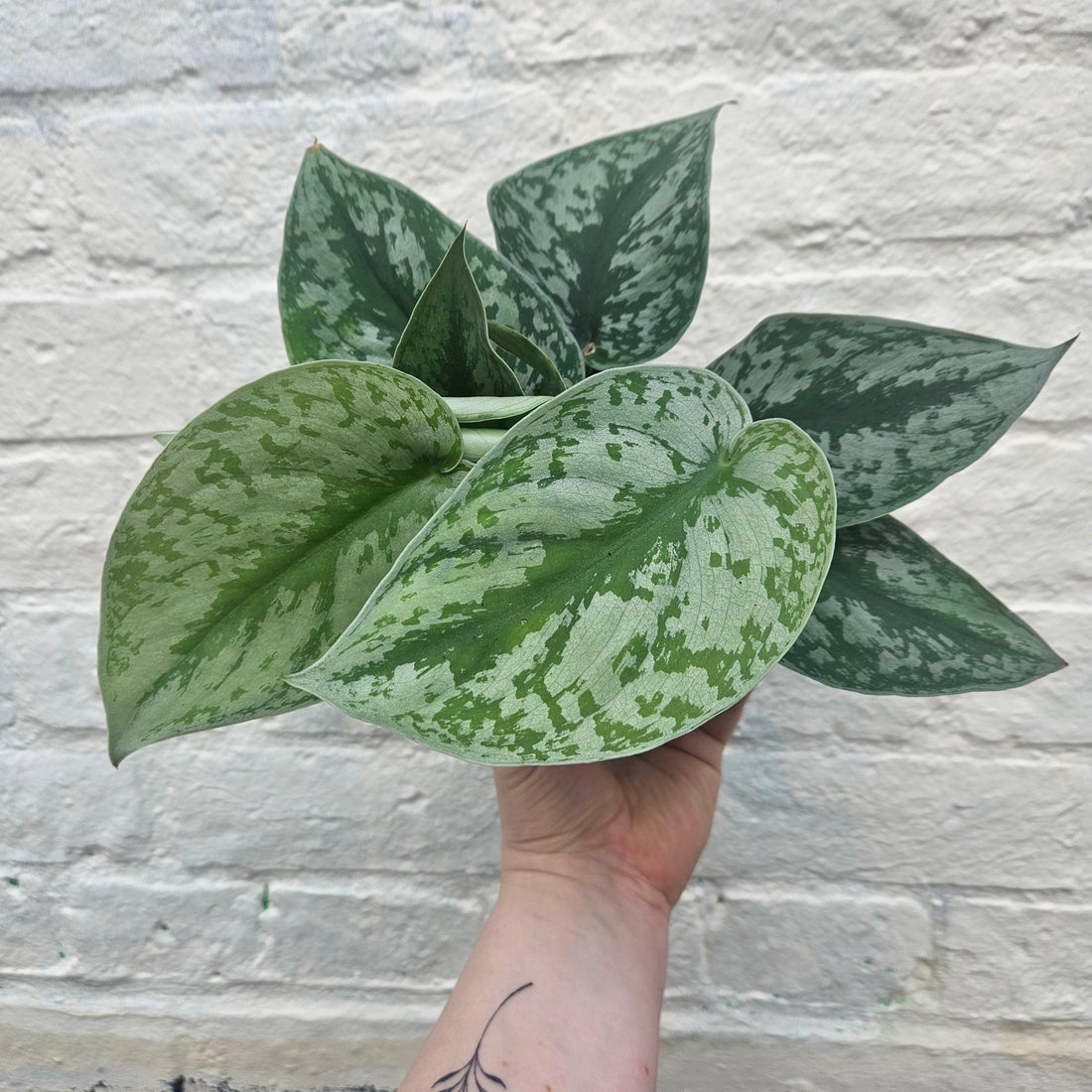
 Scindapsus pictus 'Trebie' (Silver Vine Pothos)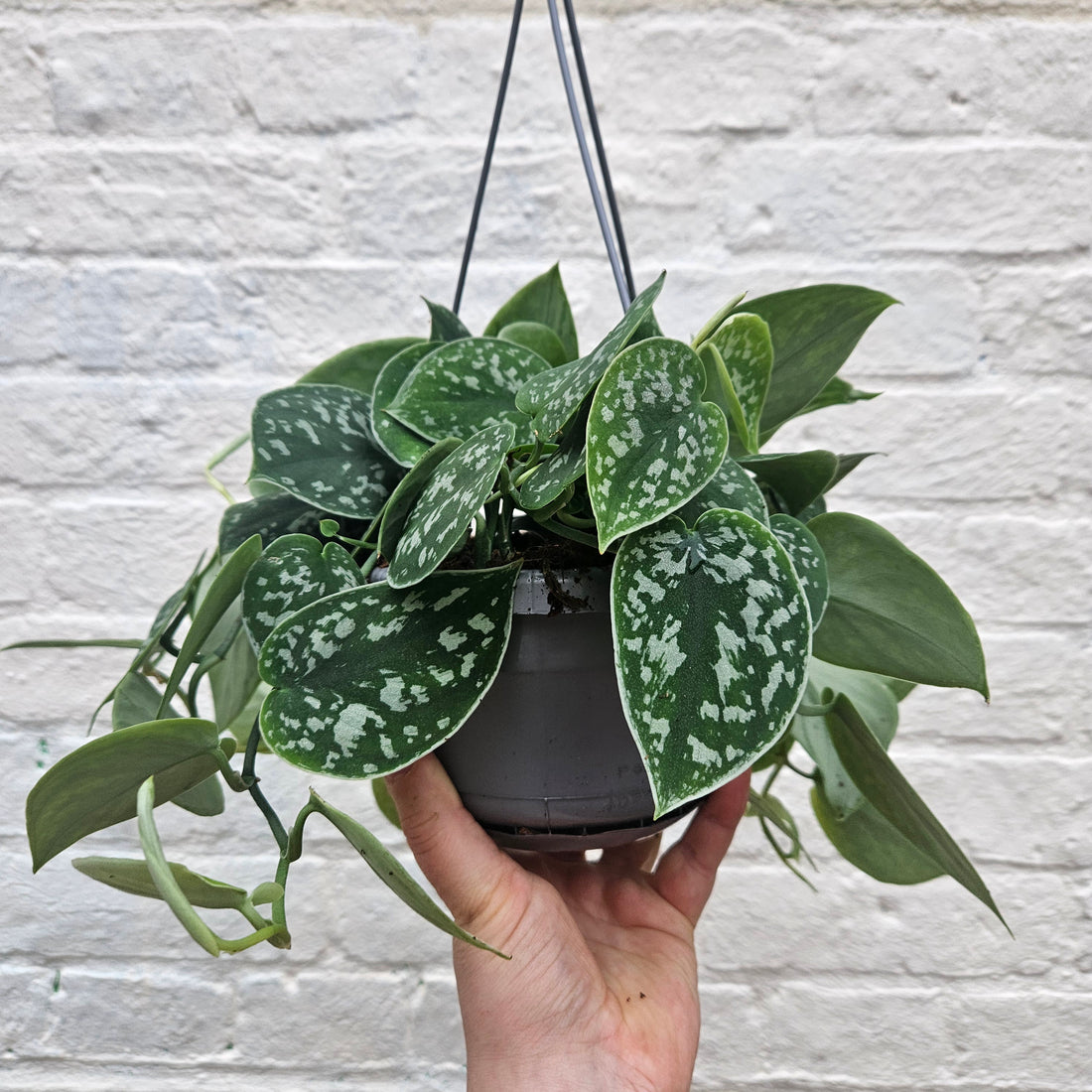
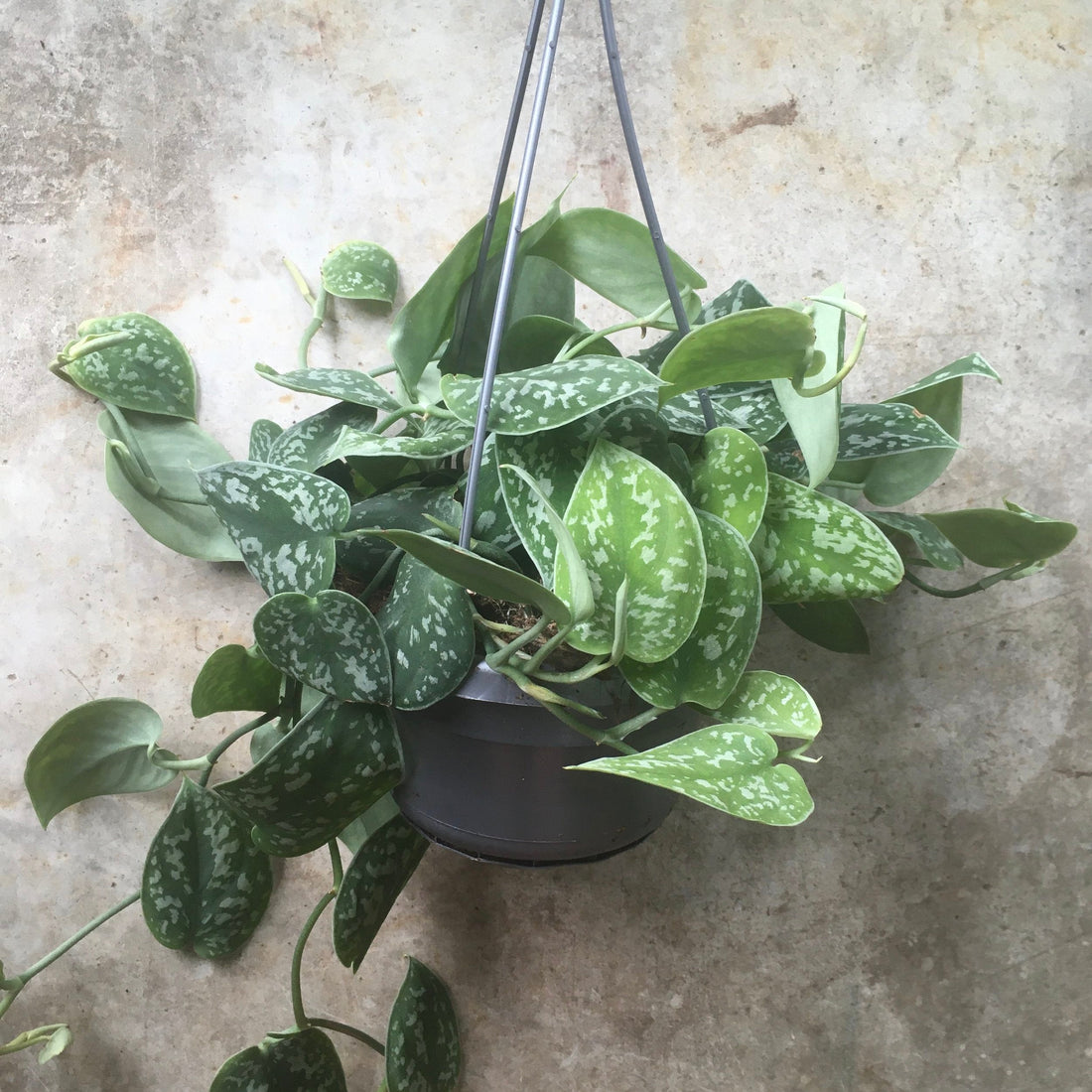 Scindapsus pictus 'Argyraeus' (Satin Pothos)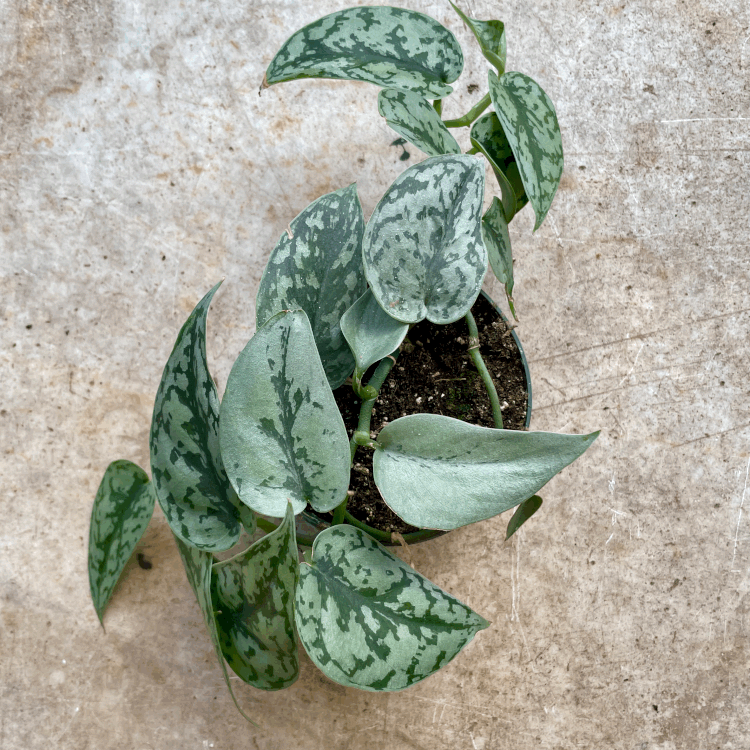
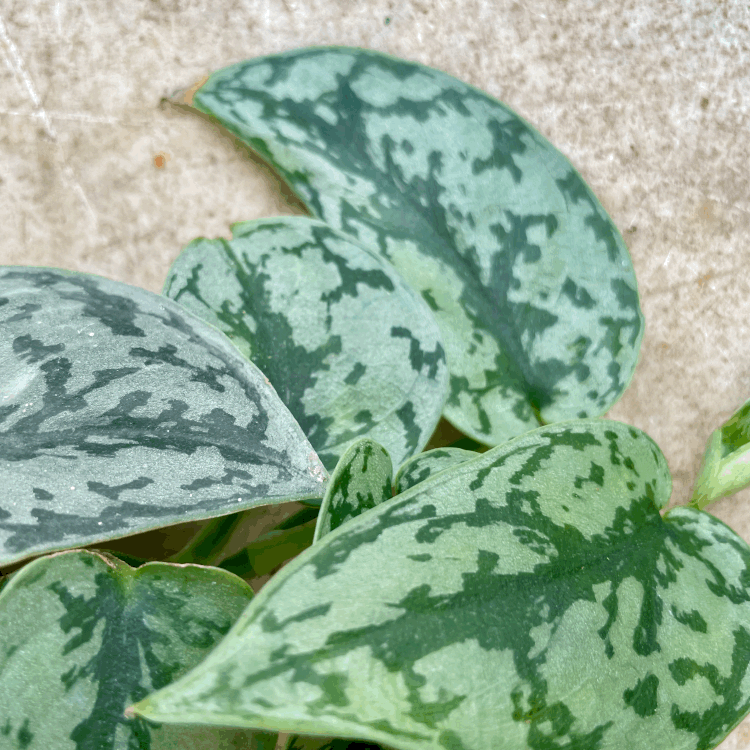 Scindapsus 'Silver Lady' (Satin Pothos)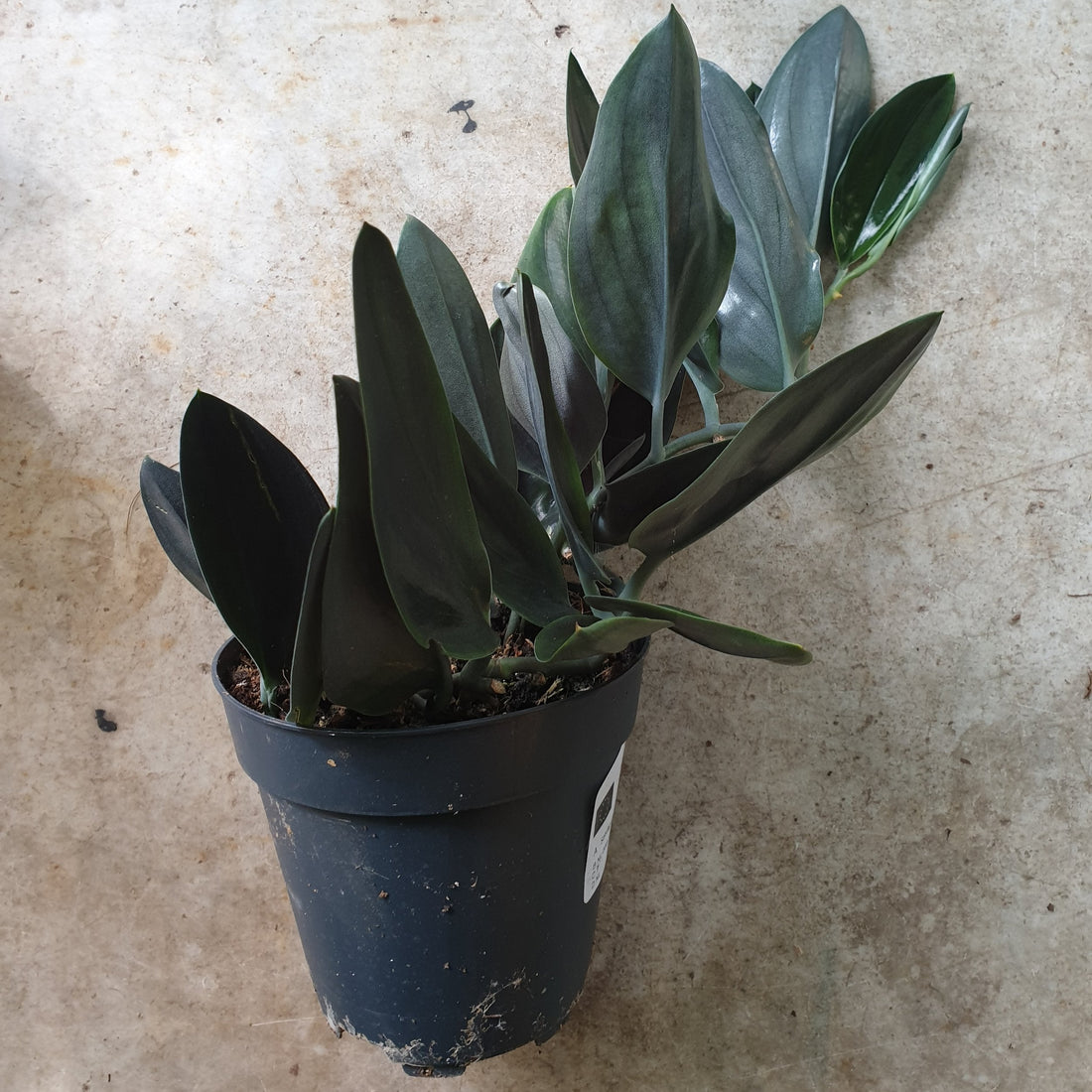
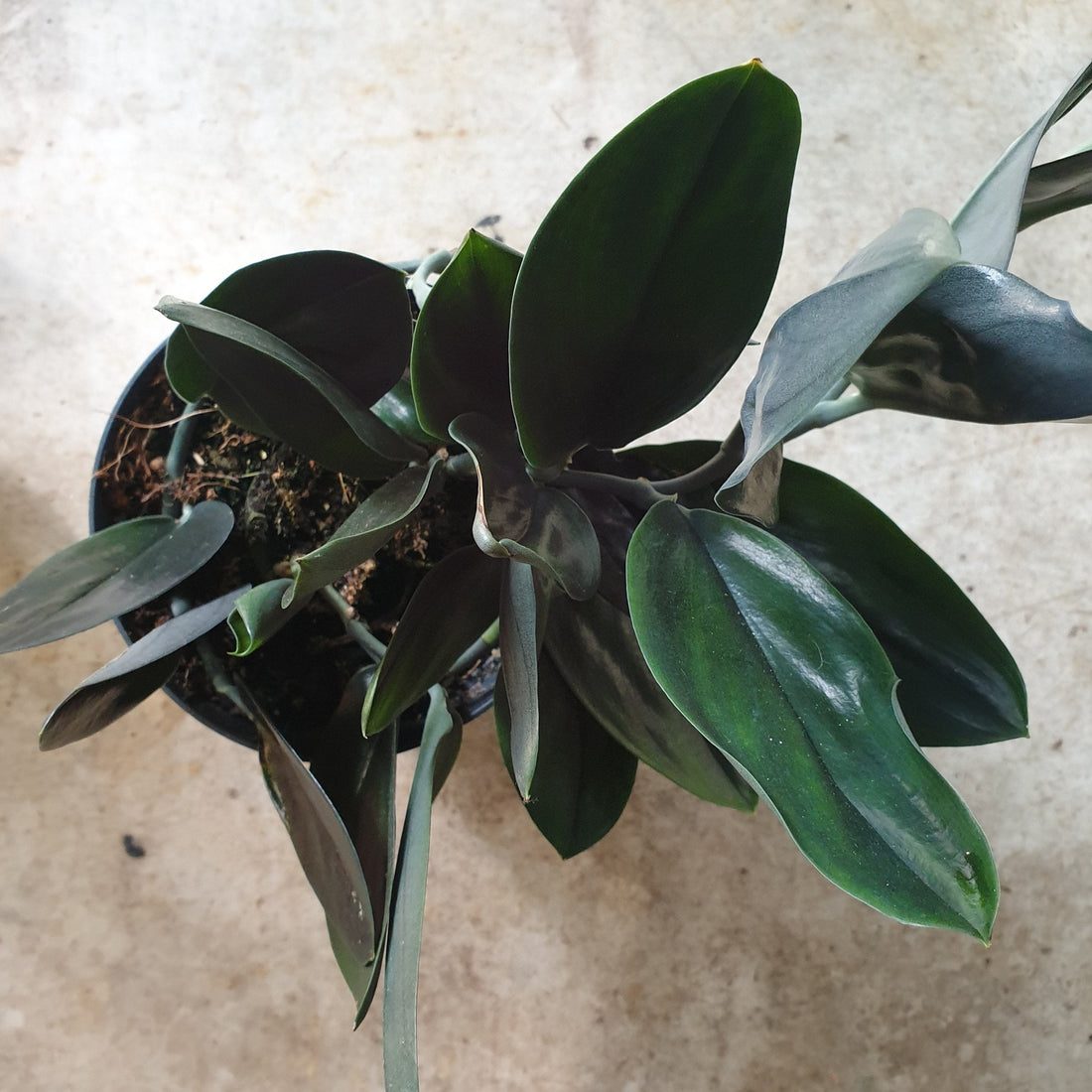 Scindapsus treubii 'Dark form' (Pothos)


