Carnivorous Plants – Venus Fly Traps, Pitchers & Insect-Eating Houseplants

Bring a Touch of Wild Nature Indoors with Carnivorous Plants

Explore our unique... Read more

Sort by

11 products

Filter and sort
Filter and sort

11 products

11 products

  • Hand-selected quality

    All of our indoor plants are hand-selected to ensure the highest quality for you.

  • Free delivery on orders over £50+

    We deliver happy and healthy houseplants UK-wide.

  • Need some help?

    If you have any questions, please feel free to call, email or pop in to one of our shops for a chat.

    Contact us here.

Why Choose Carnivorous Plants for Your Home

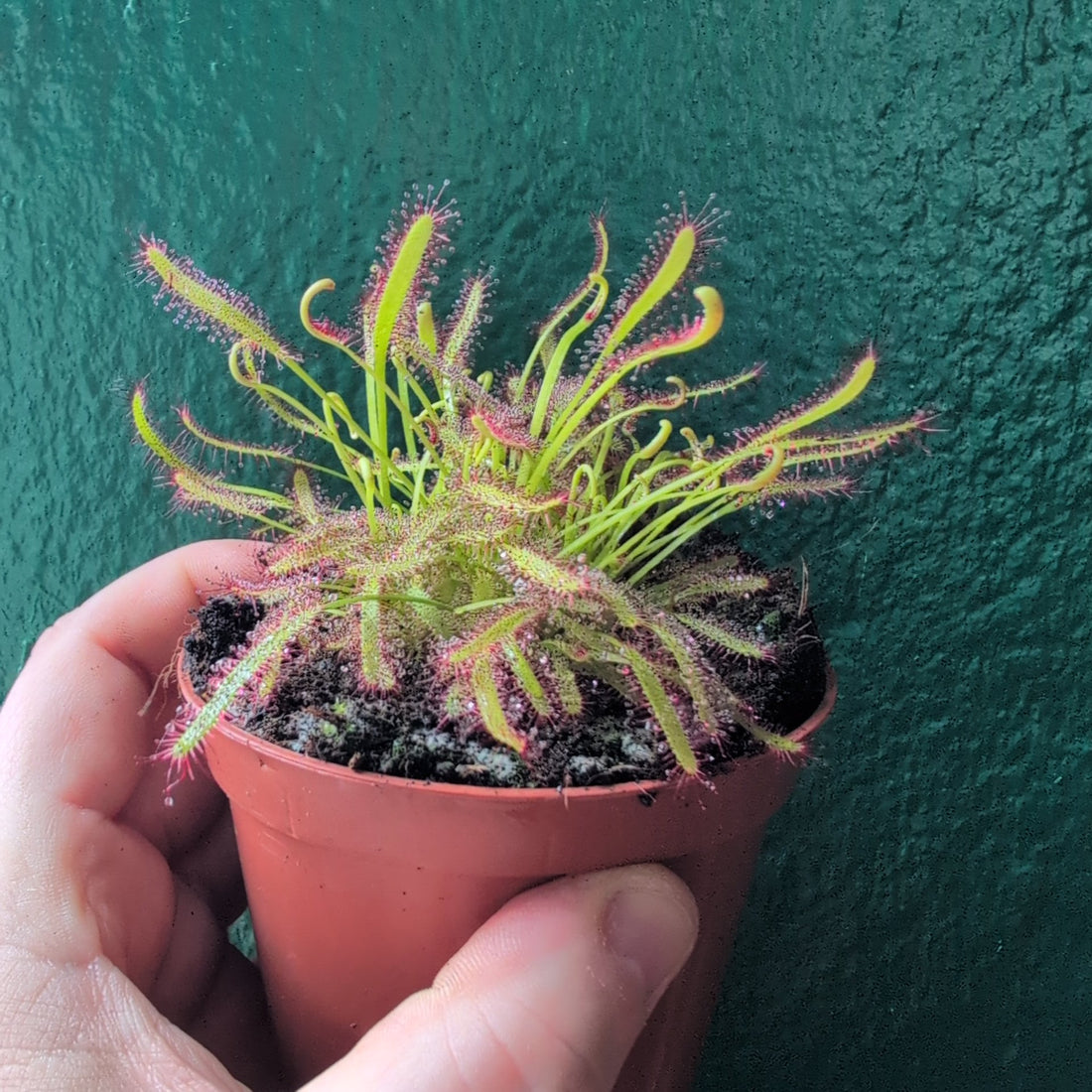
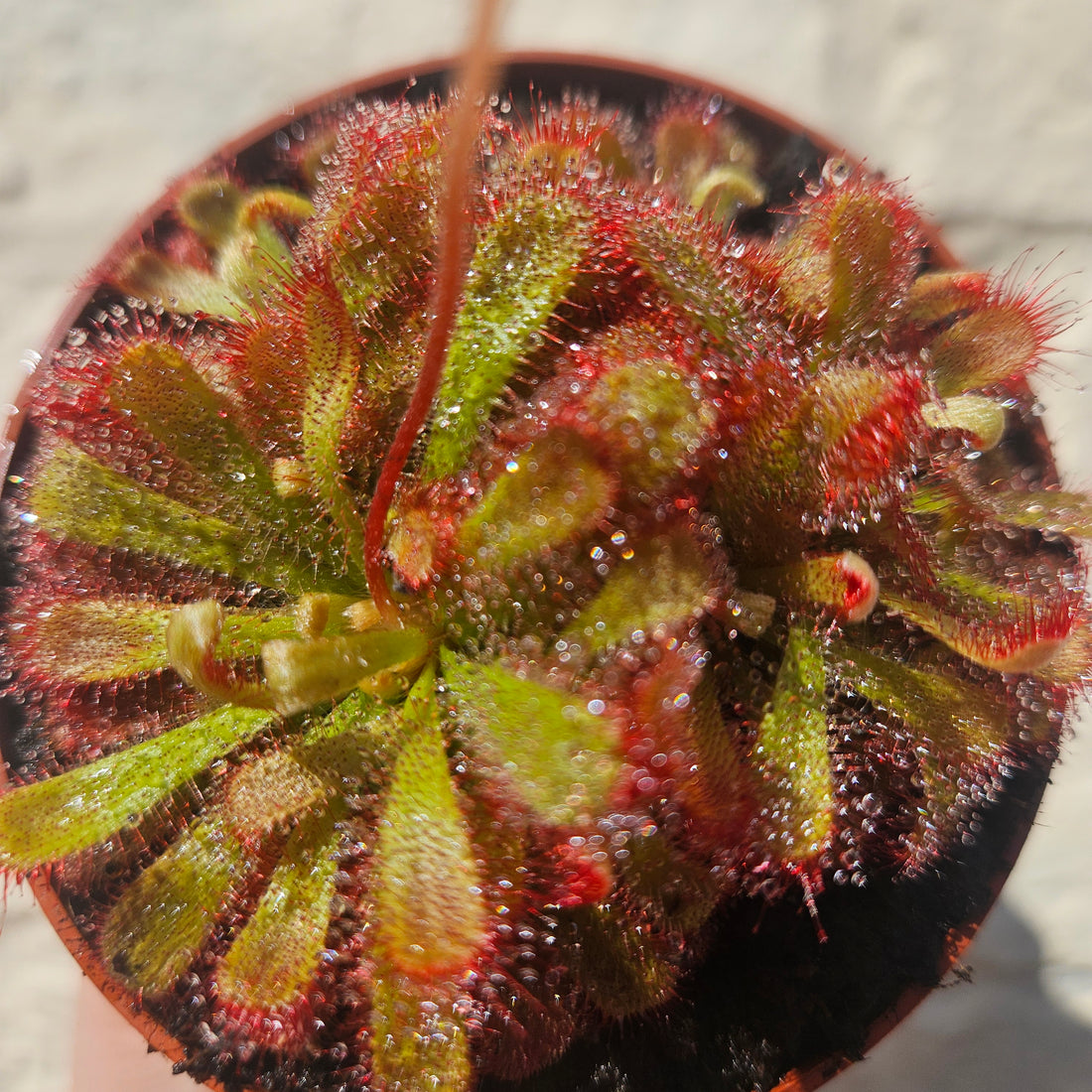
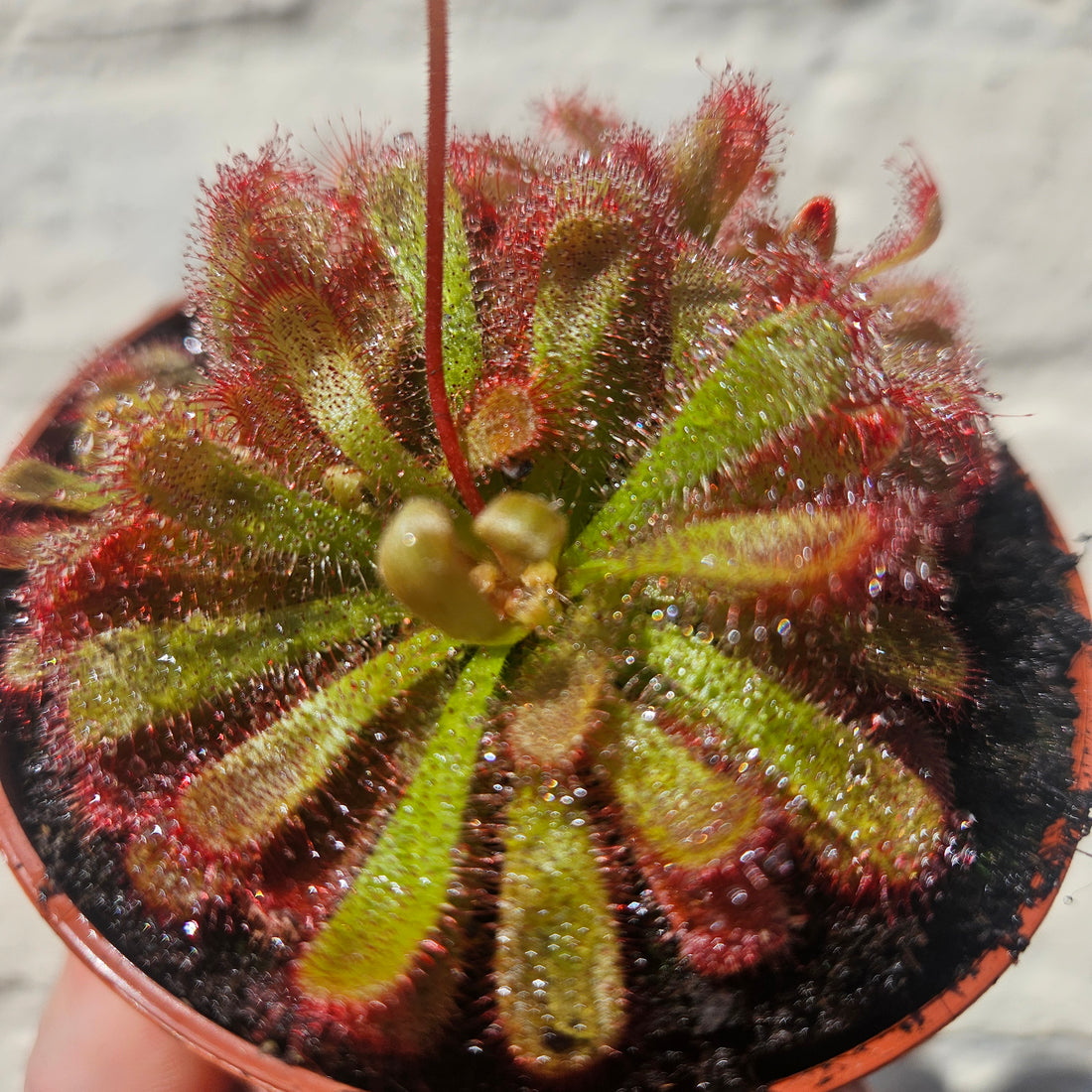
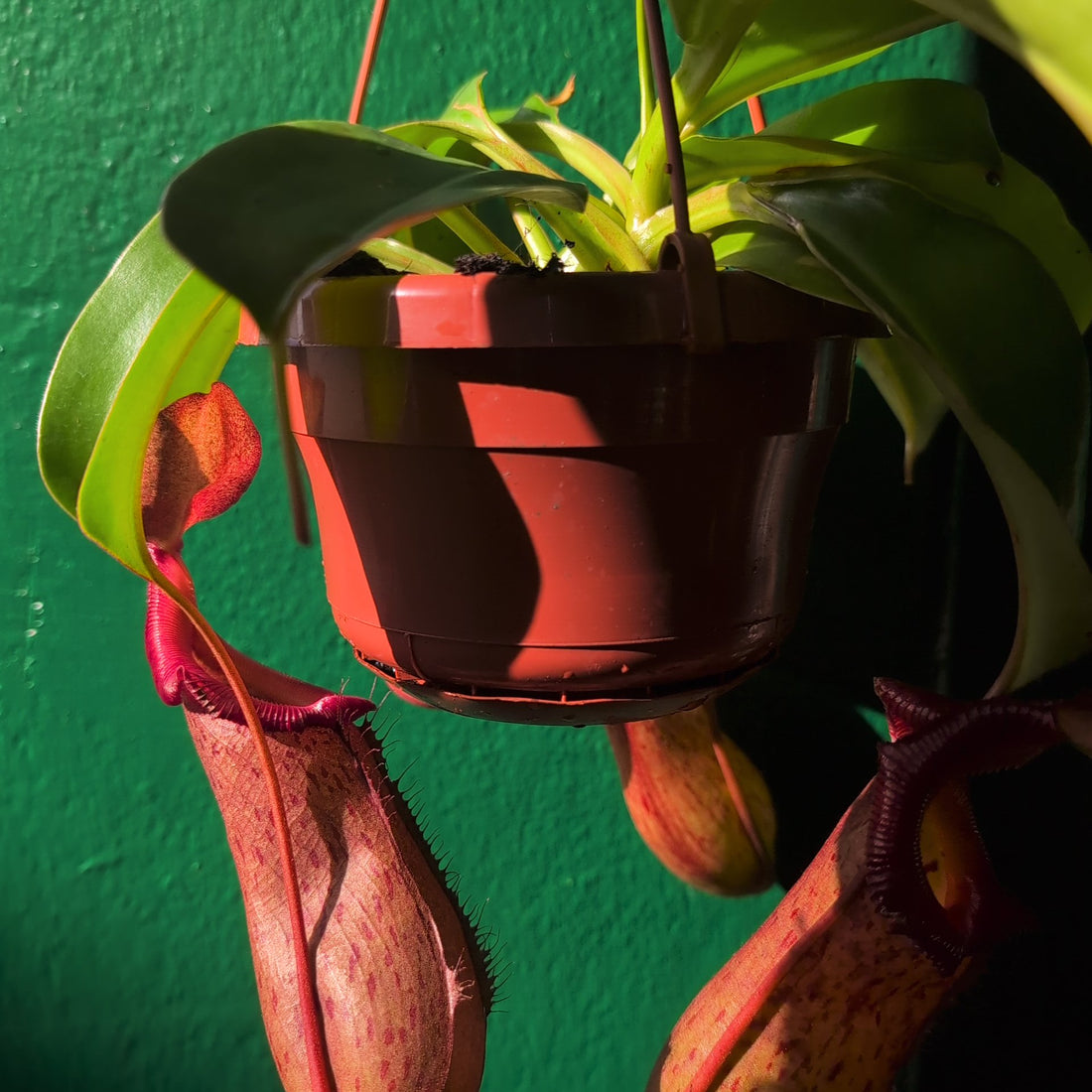
Carnivorous plants offer a rare combination of unusual biology and decorative value. Their insect-eating habits capture interest, while their distinctive shapes and textured leaves add character and conversation-starter appeal to any interior.

They’re especially suited for people who enjoy unusual houseplants or want to add a botanical twist to their space. With a bit of care and the right conditions, carnivorous plants can thrive indoors - adding exoticism, reducing small flying pests, and offering a glimpse of nature’s quirks right in your living room.

Carnivorous Plant Care Guide

  • Light:

Most carnivorous plants thrive in bright light and prefer as much sunshine as possible. A sunny windowsill with several hours of direct sunlight each day is ideal, although some species also grow well under quality grow lights. Good light helps maintain their vibrant colours, encourages strong growth, and supports the production of healthy traps. Avoid dark corners or heavily shaded rooms, as low light will result in weak, pale growth and fewer traps.

  • Water & Soil:

Use pure or distilled water (rainwater or filtered water is best) - avoid tap water if possible. Soil must be very free-draining and low in nutrients - typical houseplant compost is often too rich and can harm them, use a carnivorous specific compost.

  • Humidity & Environment:

Many carnivorous plants appreciate higher humidity and steady temperatures. Bathrooms, kitchens or humid rooms often suit them well.

  • Feeding:

These plants naturally catch their own food - you don’t need to fertilise them. Avoid feeding human food; small insects or allowing nature to take its course is sufficient.

  • Potting & Drainage:

Use pots with good drainage and ensure no nutrient-rich runoff enters the soil. Carnivorous plants thrive in setups that mimic their natural, often boggy but nutrient-poor habitats.

  • Maintenance:

Remove spent traps or dead leaves carefully. Do not over-disturb their roots or soil. Keep an eye on humidity and light to keep plants healthy.

Frequently Asked Questions - Carnivorous Houseplants

What counts as a carnivorous plant?

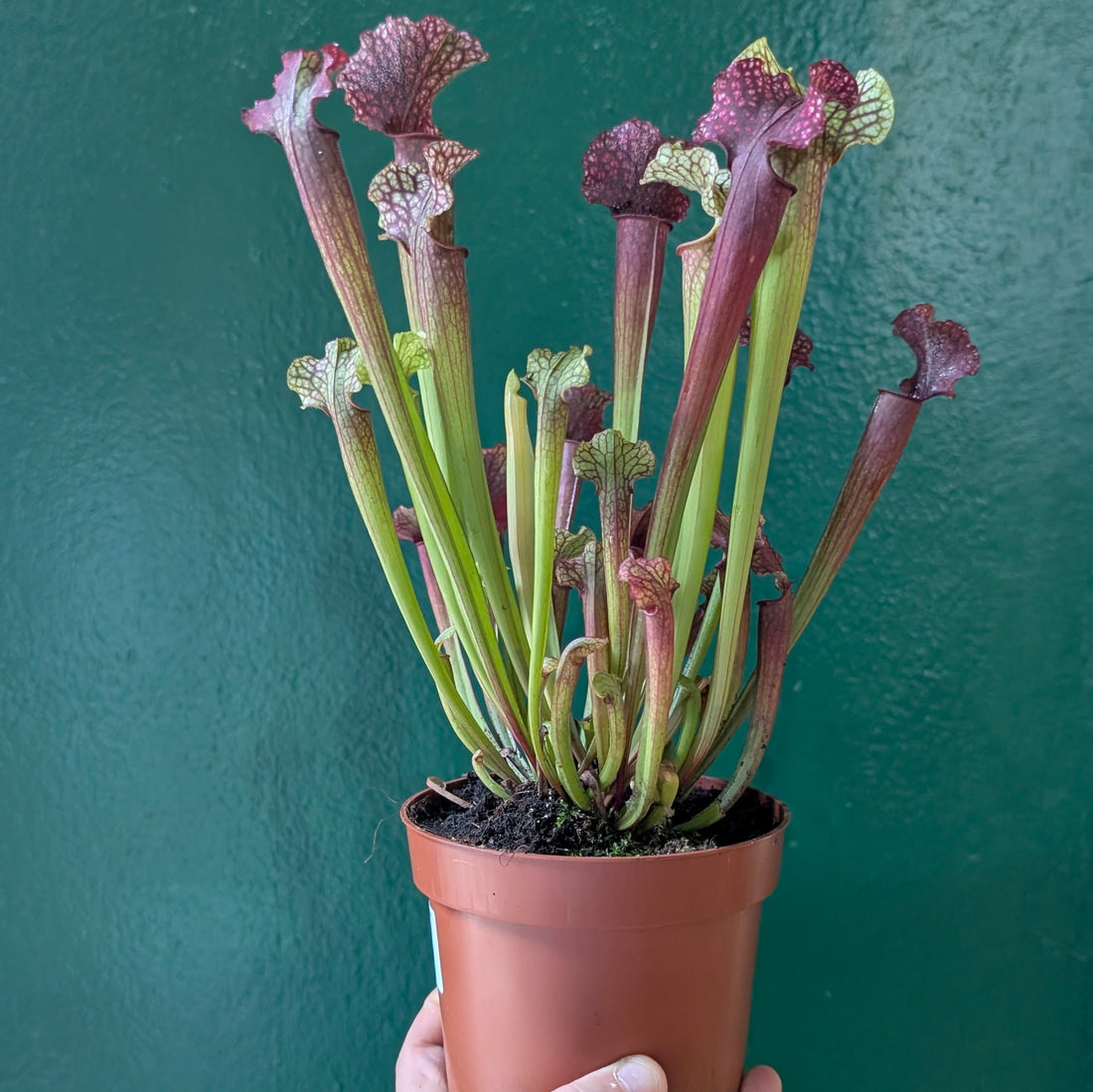
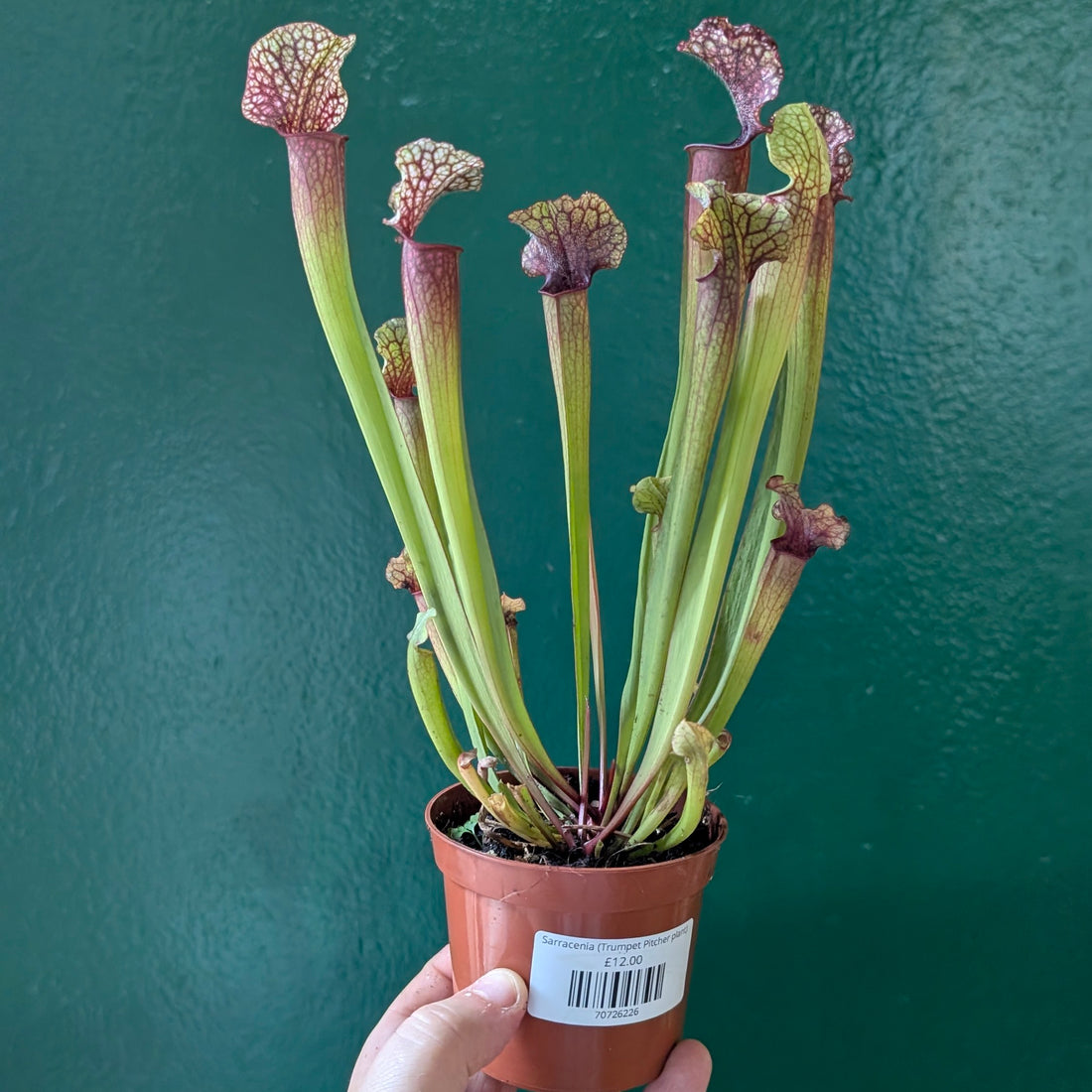
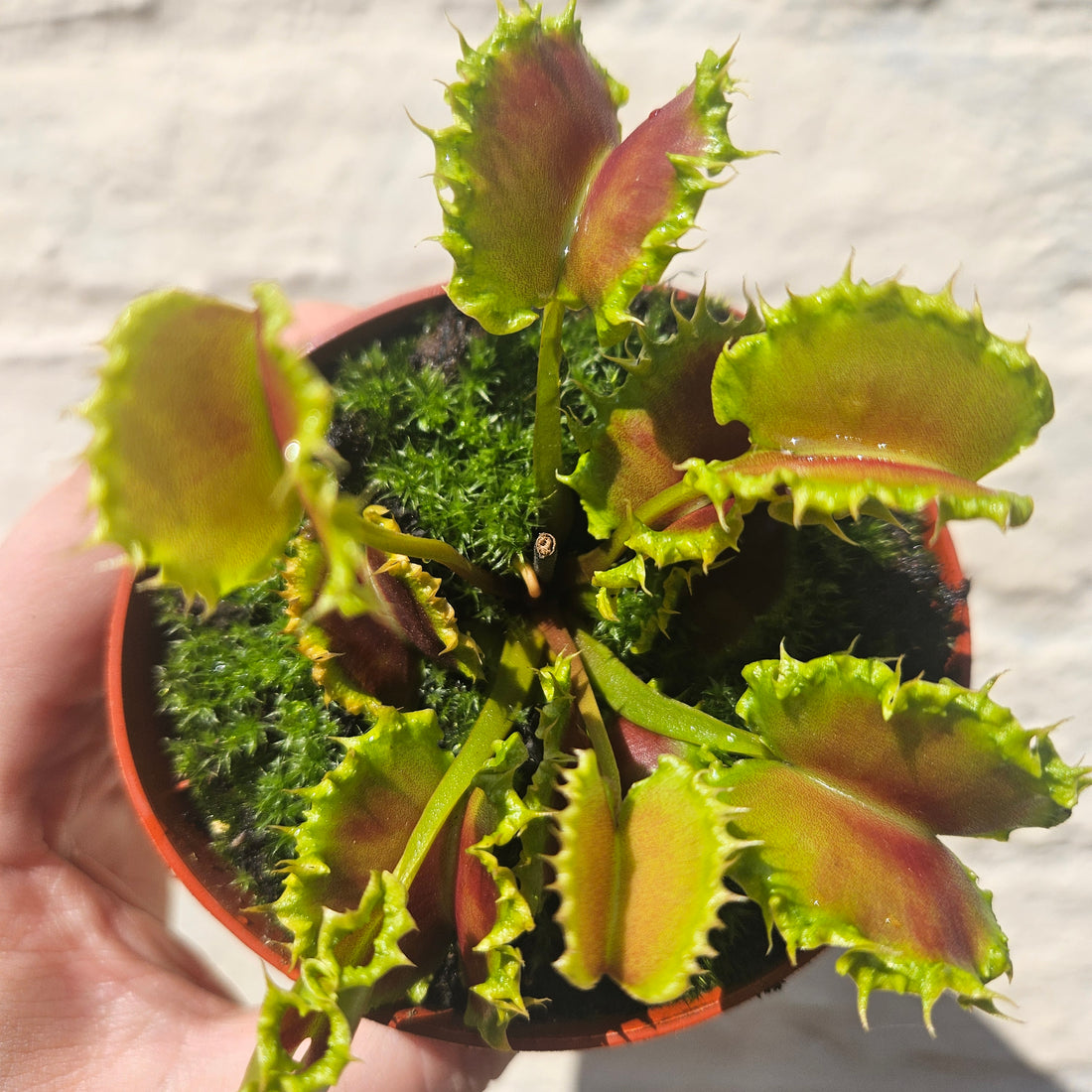
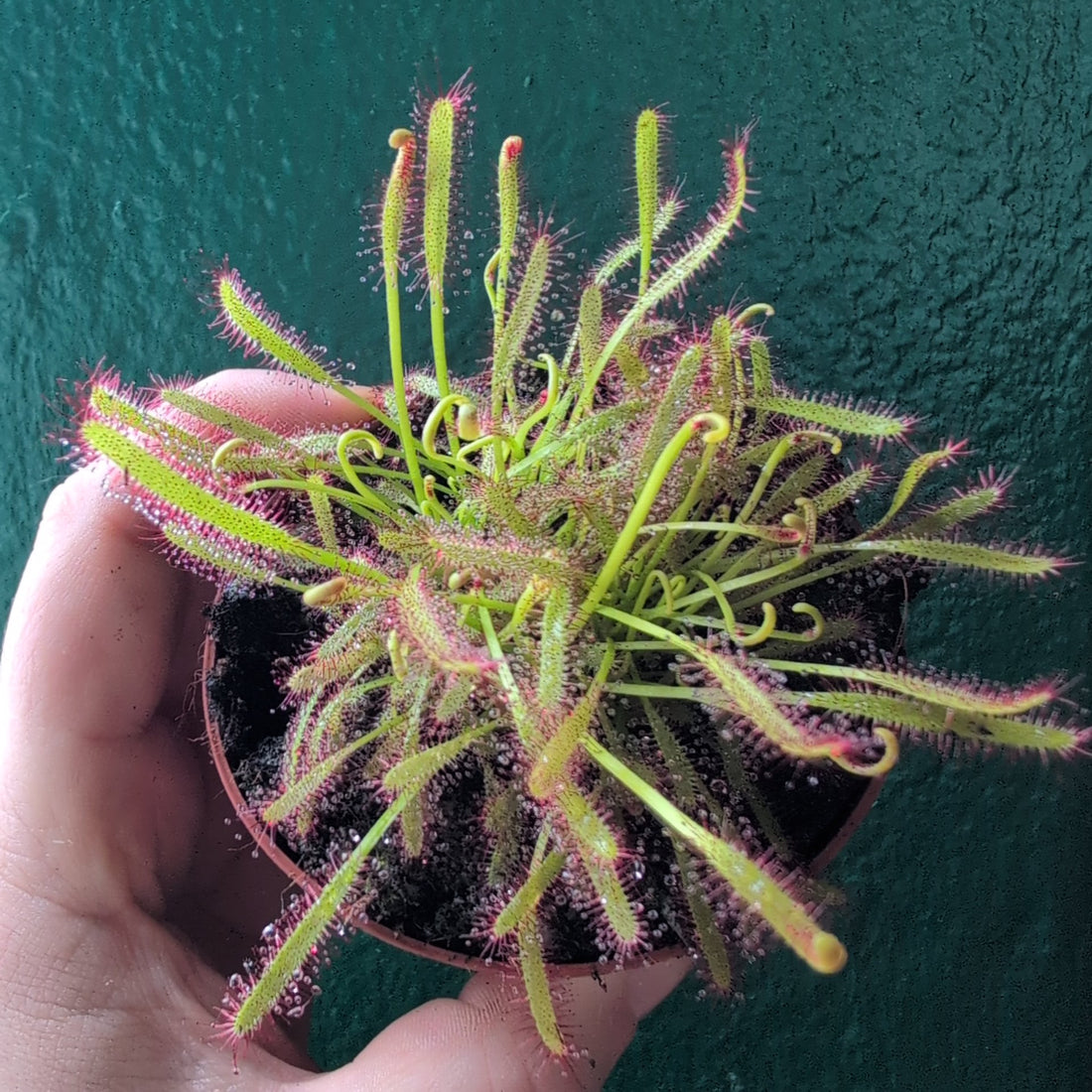
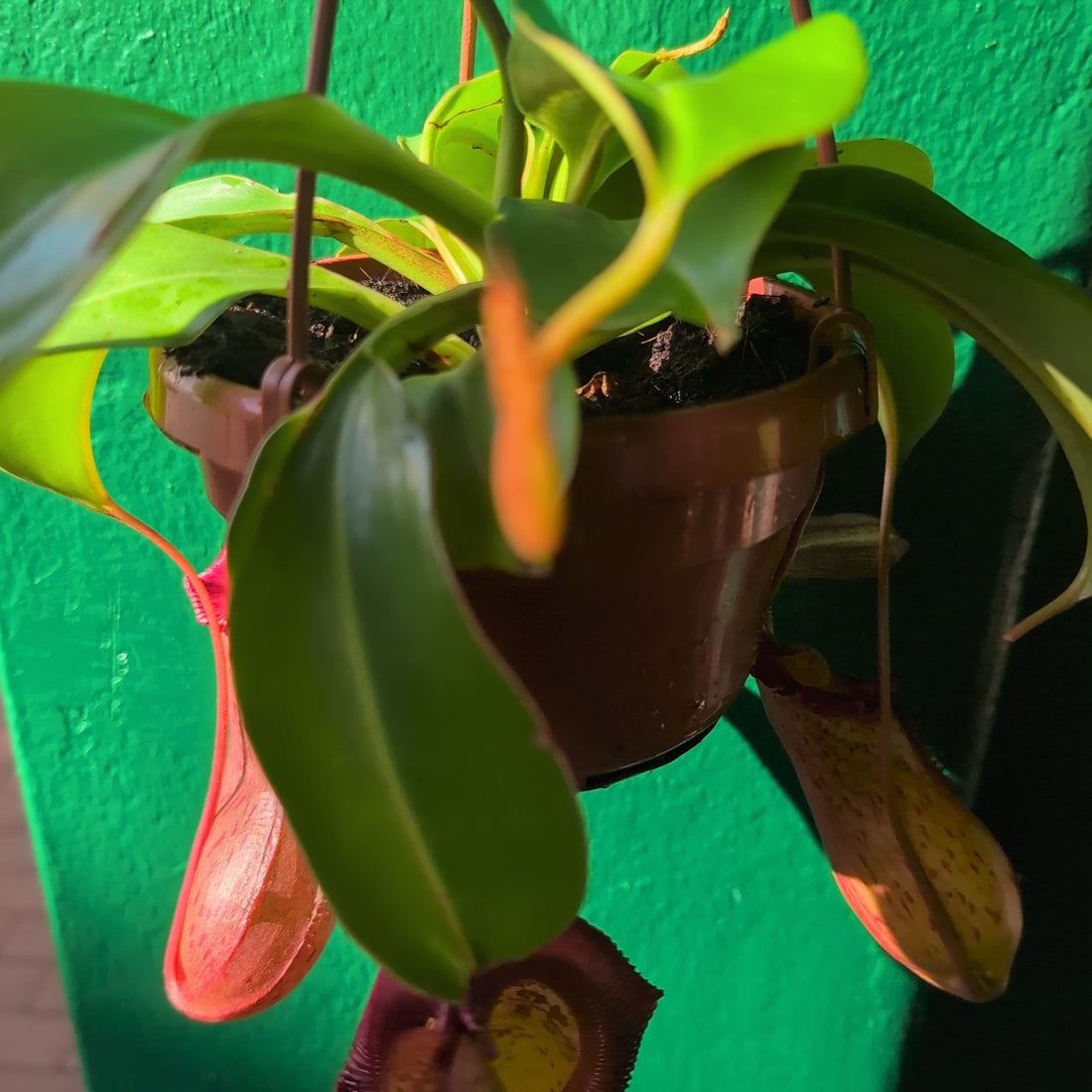
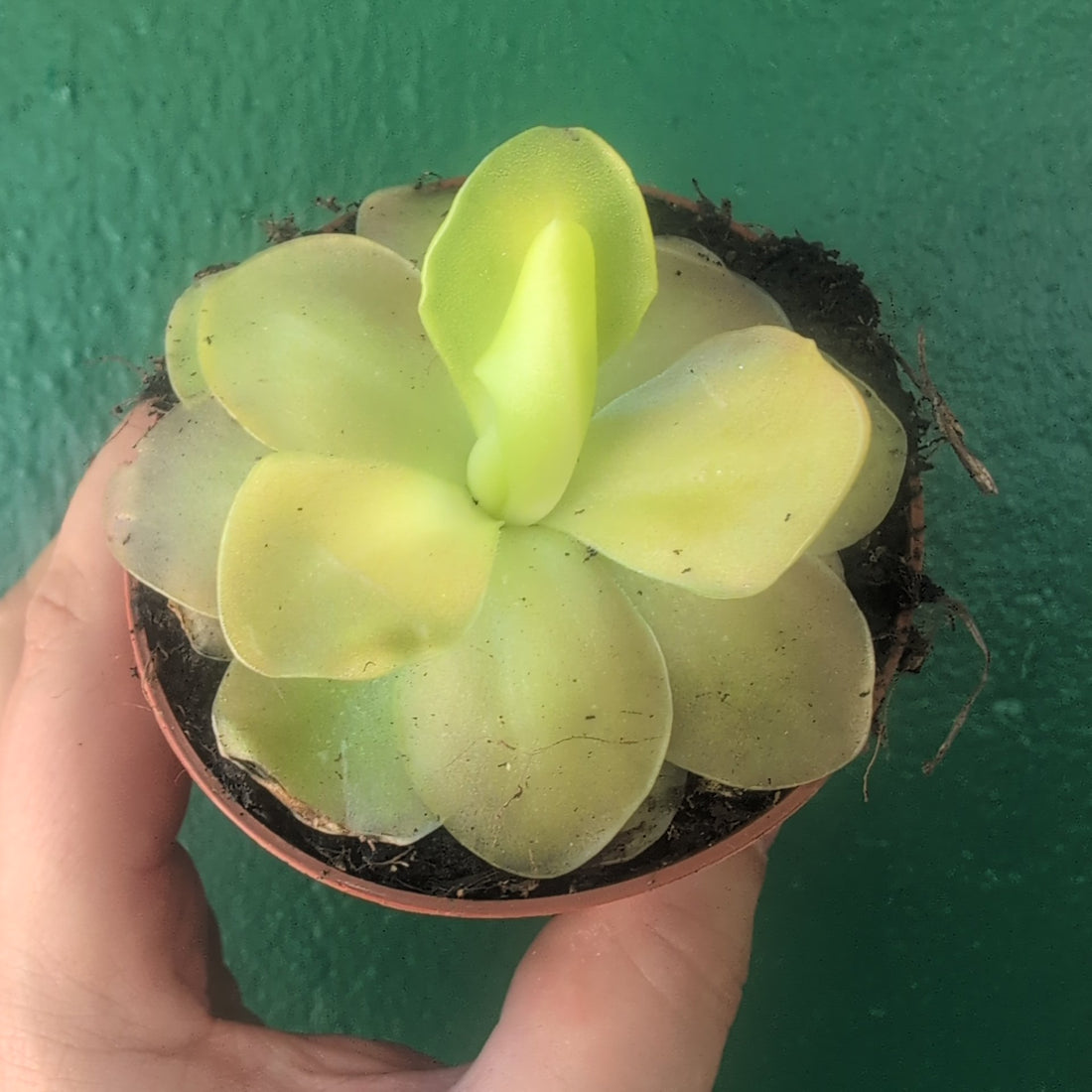
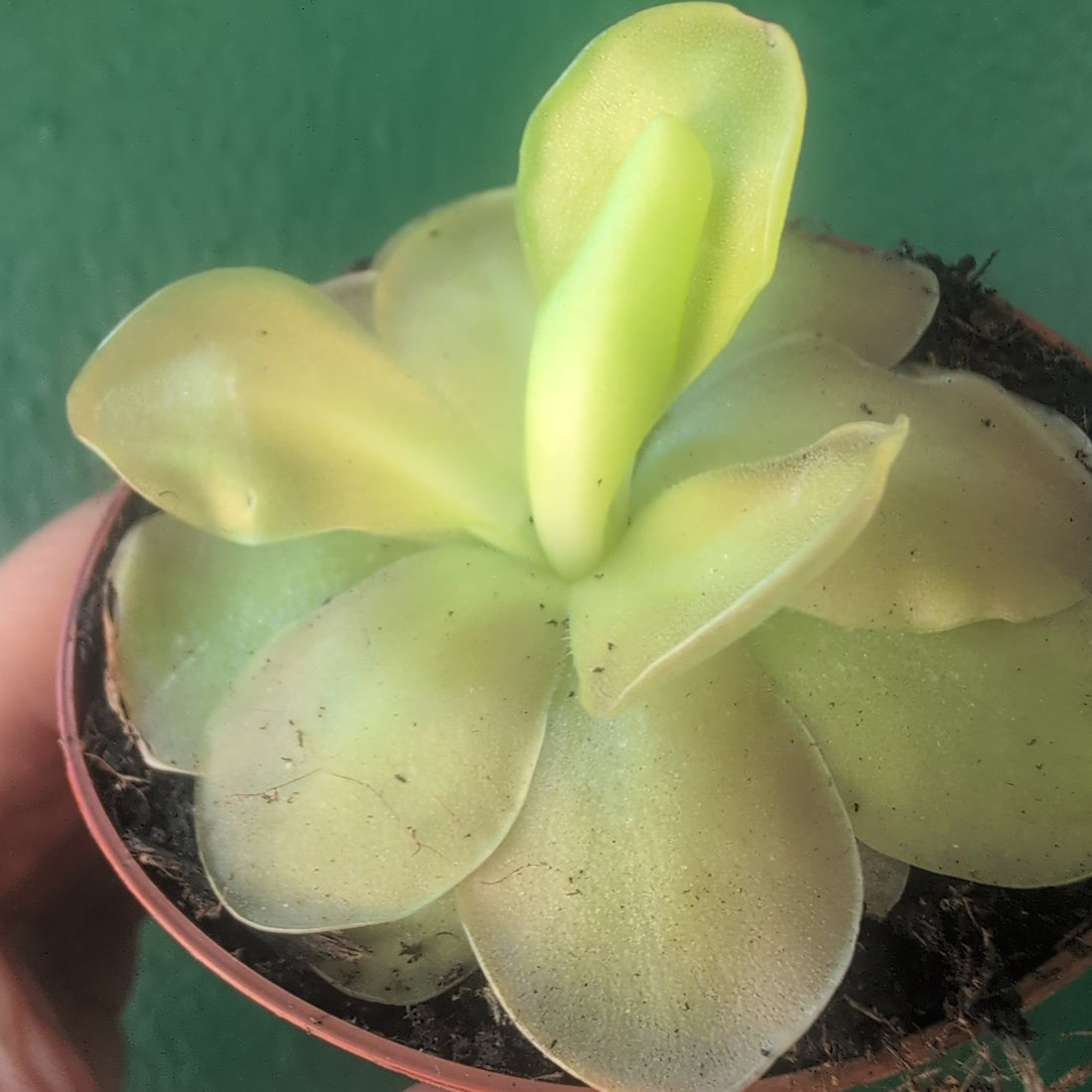
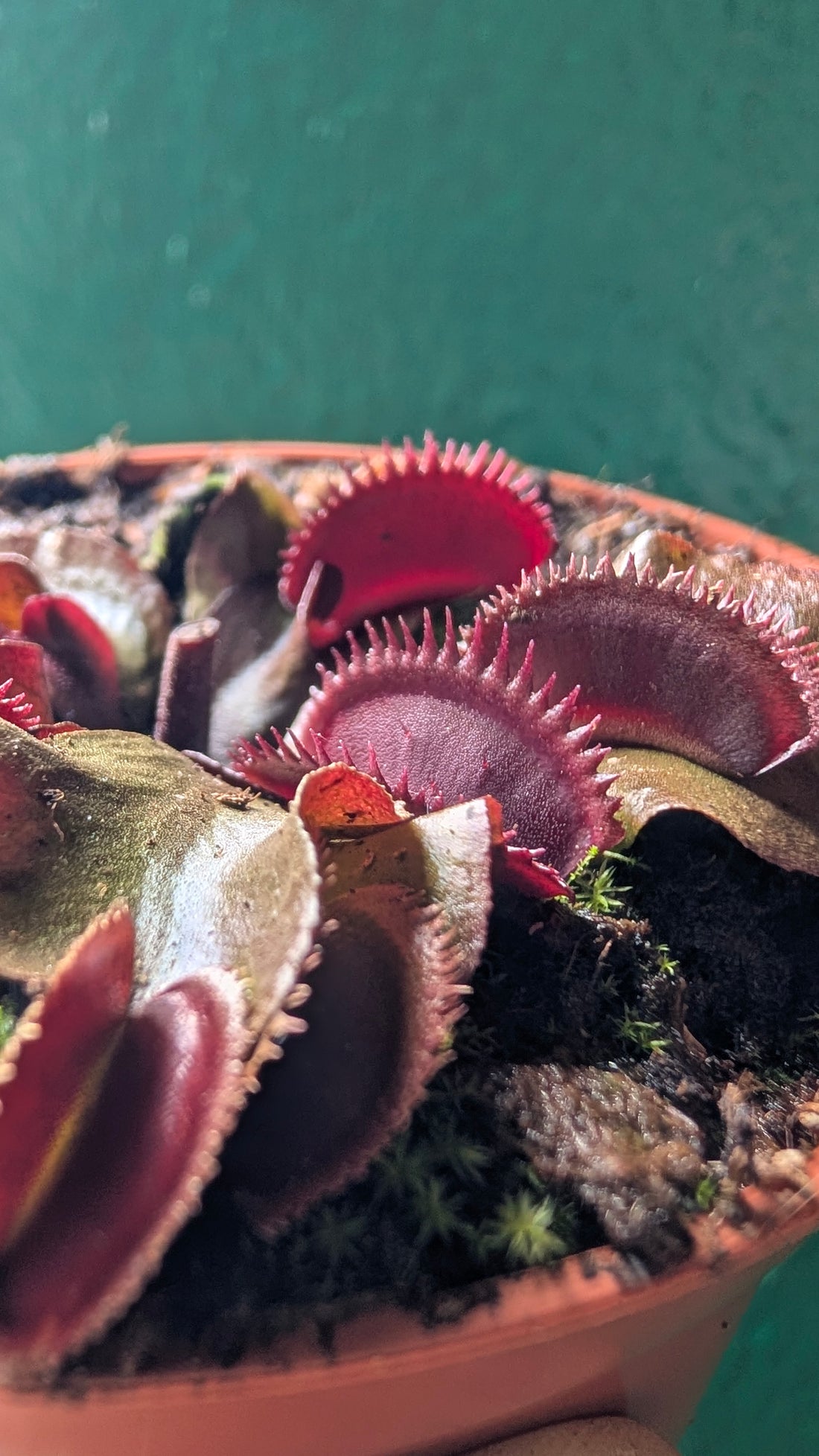
Carnivorous houseplants are species that obtain nutrients by trapping and digesting insects or small organisms. Common types include Venus flytraps, Trumpet Pitcher plants, Butterworts, and other insect-eating species.

Can carnivorous plants survive indoors in UK homes?

Yes - with the right care: adequate light, correct soil and water (preferably distilled or rainwater), proper humidity and minimal disturbance. Many species adapt well to indoor life if those conditions are met.

Do I need to feed my carnivorous plant?

Not usually - most indoor carnivorous plants capture naturally occurring small insects on their own. If kept in a very clean or insect-free home, occasional feeding (with appropriate small insects) may help, but is not essential.

What kind of water should I use?

Use distilled water, rainwater, or filtered water. Tap water often contains minerals that can build up in the soil and harm carnivorous plants over time.

What soil should I use?

Use a soil mix designed for carnivorous plants: nutrient-poor, well-draining, often a mix of peat and sand or special bog soil. Avoid standard potting composts, which are too rich.

Do these plants need high humidity?

Many do - they naturally grow in humid, boggy environments. If your home air is very dry, occasional misting or placing the plant near a humidity source (e.g. bathroom, kitchen, humidifier) can help.

Are carnivorous plants safe for pets or children?

Generally yes - their traps are small and designed for insects. They are not dangerous. However, it’s always prudent to supervise curious pets or children near any plants that have leaves or traps that close.

Are carnivorous plants suitable for beginners?

Some species are more forgiving than others. With correct soil, water, and light, many indoor carnivorous plants can be managed by enthusiasts - but they do require more careful attention than standard houseplants.

Our Promise

Every carnivorous plant from Between Two Thorns is selected for vitality, correct potting conditions and suitability for indoor life. Each is carefully prepared and packed in our Brighton studio to ensure safe delivery across the UK.

If you’re looking to add a bit of the wild side to your home - a living, insect-catching curio that also brings greenery and uniqueness - our carnivorous plant collection offers intrigue, novelty and botanical beauty in one.